Enrichment That Matters: How the Right Toys Improve Small Pet Health and Happiness
- furryfriendshub12
- Dec 19
- 4 min read

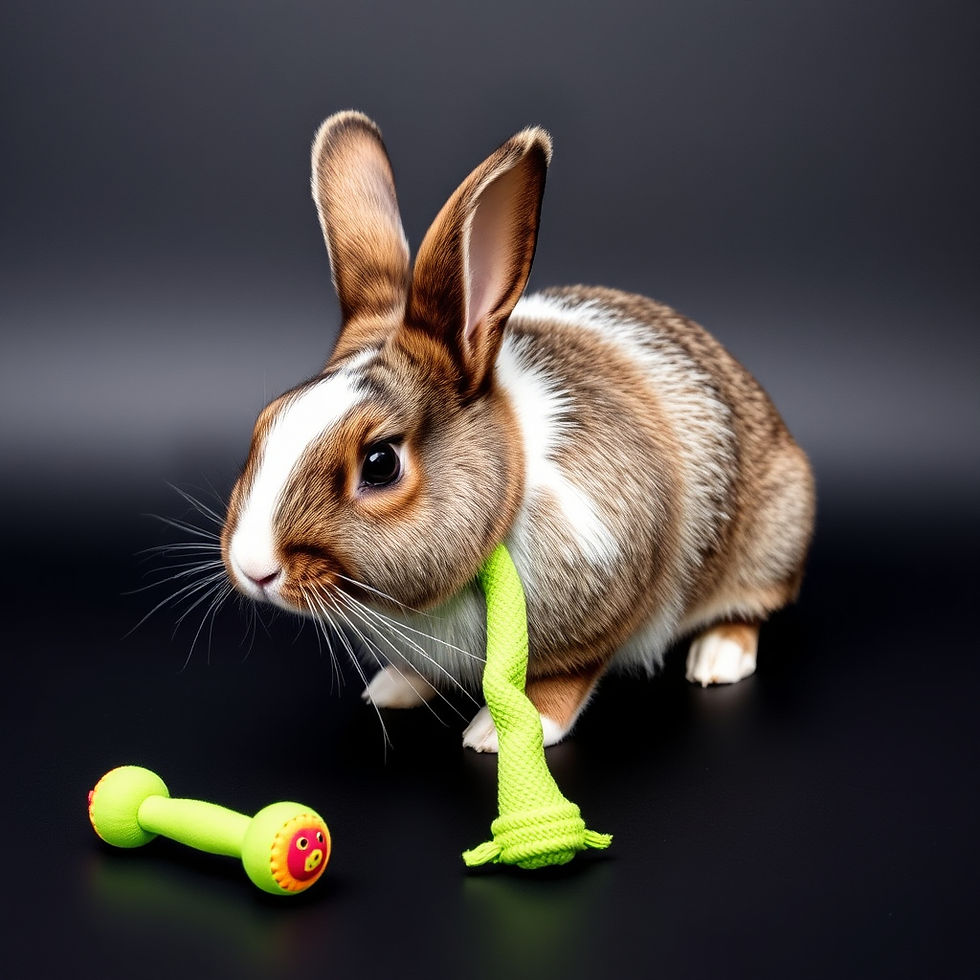
Small pets may live in compact spaces, but their need for stimulation, movement, and mental engagement is just as important as that of larger animals. Rabbits, guinea pigs, hamsters, chinchillas, and other small companions rely heavily on their environment to stay active and emotionally balanced. When that environment lacks enrichment, boredom and stress can quickly follow.
This is where thoughtful play items come into the picture. Well-designed small animal toys are not just accessories—they are essential tools that support physical health, dental care, and natural behaviors. Understanding how to choose and use them correctly can transform daily pet care into a more rewarding experience for both pets and owners.
Why Enrichment Is Essential for Small Animals
In the wild, small animals spend much of their time foraging, chewing, digging, and exploring. These activities keep their teeth healthy, muscles strong, and minds engaged. In captivity, toys help replicate these natural behaviors in a safe and controlled way.
Key benefits of proper enrichment include:
Reduced stress and anxiety
Prevention of destructive habits
Improved digestion through activity
Better dental wear for continuously growing teeth
Without adequate stimulation, small pets may become lethargic or develop repetitive behaviors, which are often signs of underlying stress.
Types of Toys Designed for Small Pets
Not all toys serve the same purpose. Different designs support different needs depending on species, size, and activity level.
Chew Toys
Chewing is a biological necessity for many small animals. Wooden blocks, hay-based chews, and natural fiber toys help manage tooth growth safely.
Interactive and Foraging Toys
These toys encourage problem-solving and exploration by hiding treats or requiring manipulation to access food.
Tunnels and Hideouts
Tunnels provide a sense of security while encouraging movement and exploration within the enclosure.
Choosing a variety of small animal toys helps prevent boredom and keeps daily routines engaging.
Why Do Small Pets Need Toys for Mental Stimulation?
This is a common question among first-time small pet owners.
Small animals are intelligent and curious by nature. Without mental stimulation, they may become stressed or withdrawn. Toys provide:
A sense of control over their environment
Opportunities for natural behaviors
Healthy outlets for energy
Regular interaction with enrichment items helps pets remain confident, active, and emotionally balanced over time.
Material Safety and Toy Construction
Safety should always come first when selecting toys.
Natural Materials
Untreated wood, hay, cardboard, and natural fibers are generally safe and digestible in small amounts.
Plastic and Synthetic Materials
If used, these should be labeled non-toxic and chew-resistant, especially for strong chewers.
Metal Components
Metal should only be used in limited ways and must be rust-free and smooth to prevent injury.
High-quality small animal toys are designed with these safety considerations in mind, reducing the risk of choking or internal injury.
Species-Specific Toy Preferences
Different animals interact with toys in different ways.
Rabbits prefer items they can toss, chew, and dig into
Guinea pigs enjoy tunnels and gentle foraging toys
Hamsters benefit from climbing and burrowing accessories
Chinchillas need safe wooden chews to support dental health
For rabbits in particular, owners often search for the best chew toys for rabbits that balance durability with safe materials, as rabbits can be aggressive chewers.
Rotation and Placement for Maximum Engagement
Even the best toys can lose their appeal if left unchanged for too long. Rotating toys every one to two weeks keeps the environment fresh and stimulating.
Tips for effective use:
Introduce one new toy at a time
Move items to different cage areas
Observe which toys your pet prefers
This simple practice keeps pets curious and prevents enrichment fatigue.
Buying Quality Toys from Trusted Sources
As awareness of small animal welfare grows in the U.S., many owners are turning to Online Pet Supplies retailers for a wider selection of enrichment products. These platforms often offer:
Species-specific toy categories
Clear material disclosures
Customer reviews and usage tips
Buying from reputable sellers ensures toys meet safety standards and are appropriate for long-term use.
Comparison Table: Common Small Animal Toy Types
Toy Type | Best For | Primary Benefit | Maintenance Level |
Wooden Chews | Rabbits, chinchillas | Dental health | Low |
Foraging Toys | Guinea pigs, rabbits | Mental stimulation | Medium |
Tunnels | Most small animals | Exploration & comfort | Low |
Hanging Toys | Hamsters, mice | Activity & movement | Medium |
USA Pet Supplies Trends and Research Insights
According to recent insights from the American Pet Products Association (APPA), small animal ownership in the U.S. remains strong, with increasing emphasis on enrichment and welfare rather than basic care alone. Manufacturers are responding by developing:
Sustainable toy materials
Multi-purpose enrichment products
Species-specific safety testing
Many Online Pet Supplies retailers now highlight enrichment education alongside products, making it easier for owners to make informed decisions. This trend presents strong opportunities for external linking to USA-based research, animal welfare guidelines, and industry reports.
Common Mistakes to Avoid When Choosing Toys
Even with good intentions, some mistakes can limit the benefits of toys.
Avoid:
Giving toys meant for larger animals
Ignoring material safety labels
Leaving damaged toys in the enclosure
Overcrowding the habitat with too many items
Thoughtfully selected small animal toys prevent these issues while supporting healthy daily activity.
Supporting Dental Health Through Play
For animals with continuously growing teeth, chewing is not optional—it’s essential. Toys designed for chewing help wear teeth down naturally and reduce the risk of dental disease.
For rabbit owners, choosing the best chew toys for rabbits is especially important, as improper dental wear can lead to serious health issues requiring veterinary care.
Creating a Balanced and Enriching Habitat
Toys work best when combined with proper housing, nutrition, and routine care. An enriched habitat encourages:
Natural movement
Confident behavior
Positive interaction with owners
Small adjustments—such as adding a tunnel or rotating chew items—can make a noticeable difference in your pet’s daily life.
Final Thoughts: Play Is a Core Part of Responsible Care
Toys are not optional extras for small pets—they are fundamental to physical and mental wellbeing. When chosen carefully and used thoughtfully, they help prevent boredom, support dental health, and encourage natural behaviors.
By staying informed about materials, rotating enrichment, and following evolving industry standards, pet owners can create environments where small companions truly thrive.


Comments